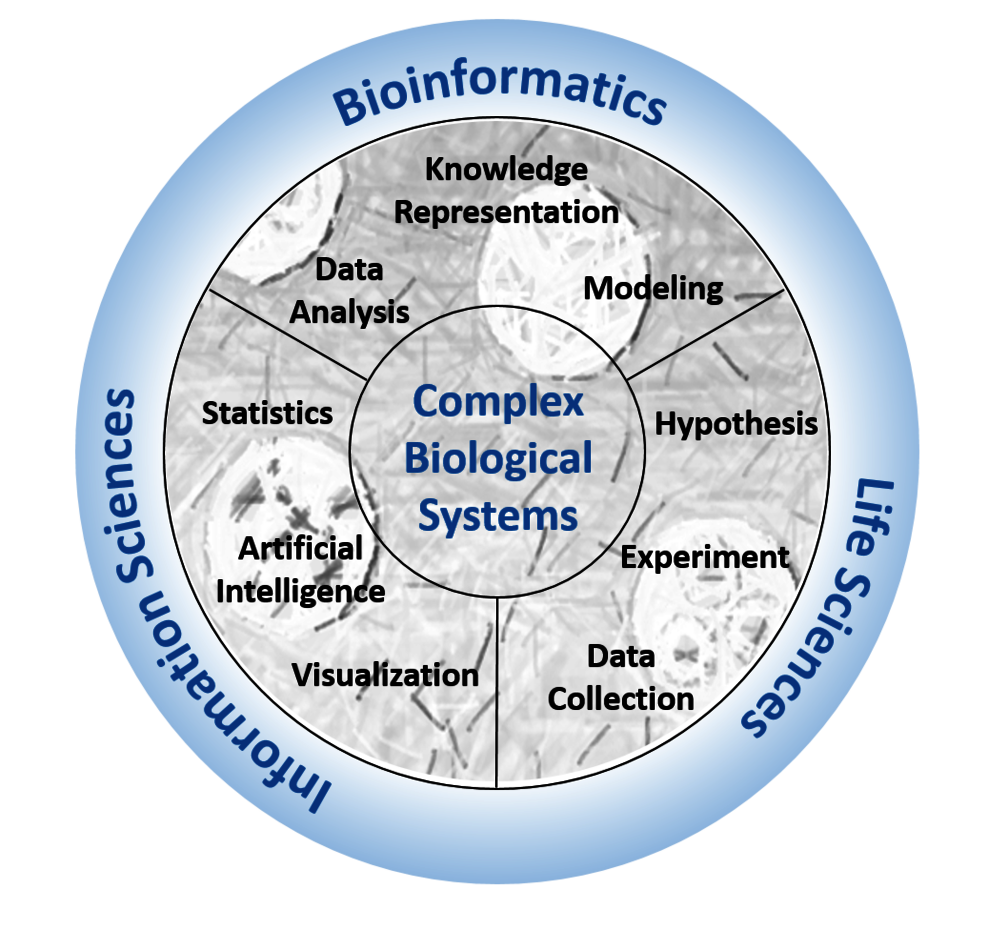


The ICube laboratory is structured into 4 departments, encompassing 17 research teams:

  • Computer science department (D-IR)
  • Imaging, robotics, remote sensing and biomedical department (D-IRTS)
  • Solid-state electronics, systems and photonics department (D-ESSP)
  • Mechanics department (D-M)

Their research spans both fundamental and applied approaches, addressing major scientific and technological challenges.

DIR

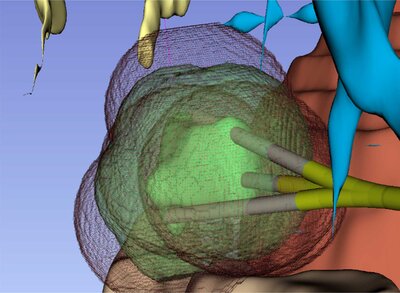
The team develops efficient geometric models that account for the diverse nature of data to design and reproduce the shape, appearance, and motion of 3D objects. These models enable accurate visualization, simulation, and interaction within virtual environments.

Research themes/ topics

  • Geometry proofs
  • 3D geometry and animation
  • Texture, rendering, and visualization
  • Human–computer interaction and virtual reality

Learn more      Contact

Keywords

Computer graphics, geometric modeling, specification and proofs, rendering and visualization, simulation and interaction, virtual reality

DIR

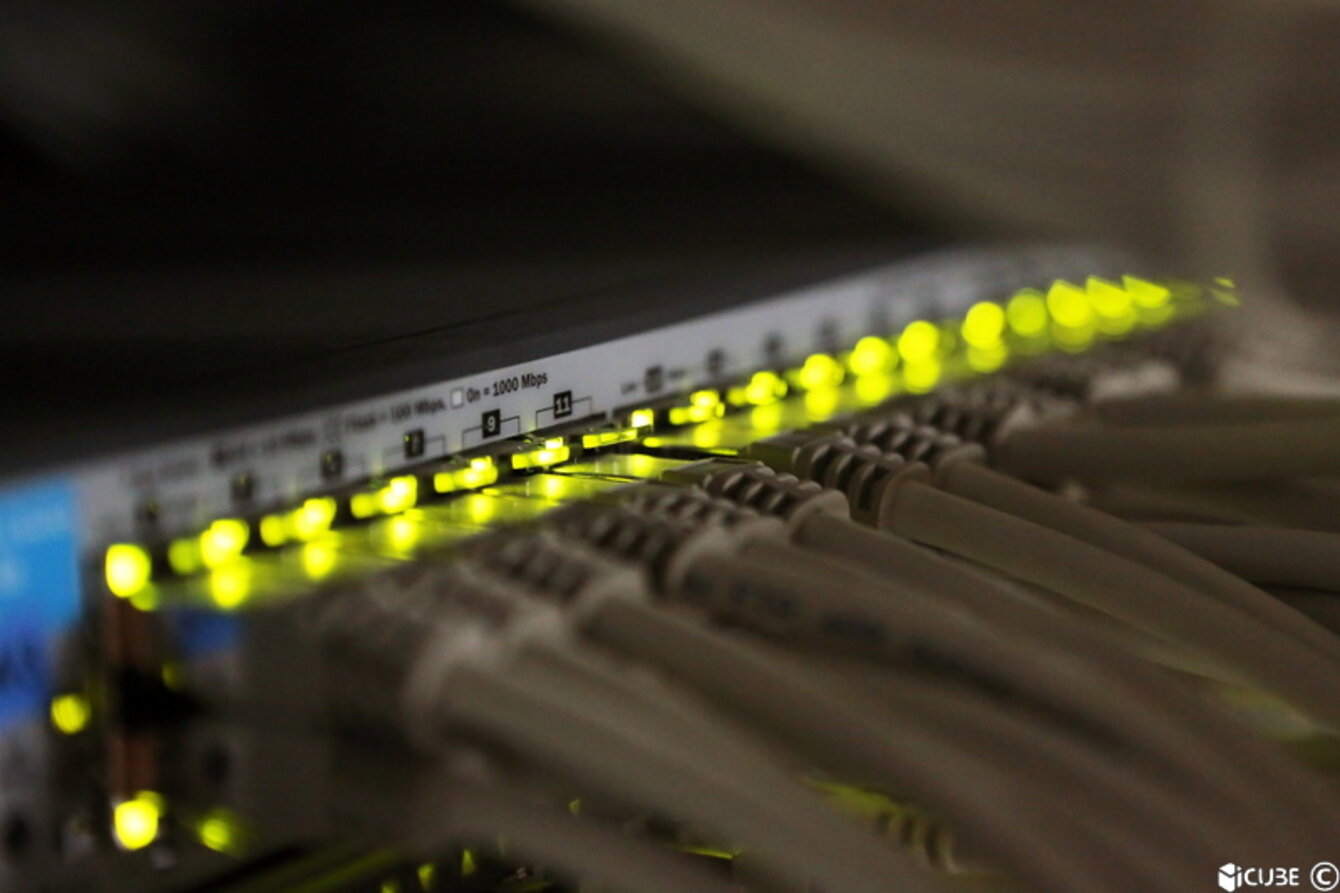
The ICube Networksteam conducts cutting-edge research in computer networking, with expertise spanning from experimental systems to the design of distributed algorithms and network protocols.

Research themes

  • Edge networks
  • Core networks
  • Distributed systems

Learn more     Contact

Keywords

Internet of Things (IoT), communication networks, network protocols, energy efficiency, fault tolerance, distributed algorithms, cellular networks, programmable networks

DIR

The team focuses on developing, adapting, and extending automatic and semi-automatic parallelization and optimization techniques, as well as proof and certification methods, to accelerate applications through the efficient use of current and future multiprocessor and multicore hardware platforms.

Research themes

  • Semi-automatic and assisted code optimization
  • Fully automated code optimization
  • Fundamental algorithms and mathematical tools

Learn more     Contact

Keywords

parallel computing, code optimization, compilation, static and dynamic analysis, code transformation, polyhedral modelling, verification

DIR

The SDC team develops fundamental methods in machine learning and knowledge modeling, while exploring their application to complex data from the environment, industry, the humanities, and healthcare.

Research themes

  • Machine learning
  • Data and knowledge

Learn more     Contact

Keywords

machine learning, knowledge modeling and representation, data mining, deep learning, neuro-symbolic approaches, explainability, multimodal data, spatio-temporal data, remote sensing, digital histopathology, factory of the future, environment

DIR

The CSTB team conducts research in intelligent computing, including reasoning over complex data and AI (deep learning, natural language processing, and graph-based learning), with applications in healthcare, biodiversity, and industry.

Research themes

  • Trustworthy artificial intelligence
  • Evolutionary and medical genomics
  • Scientific computing (transversal research theme)
  • Data science and artificial intelligence (transversal research theme)

Learn more     Contact

Keywords

artificial intelligence, optimization, graphs, algorithms, genomics, evolution, biodiversity, healthcare

DIR

The MLMS team develops models and methods that combine simulation, optimization, and learning to analyze and control complex systems and support computer-assisted medical interventions.

Reserach themes

  • Numerical simulation and modeling
  • Optimization and machine learning
  • Computer-assisted medical interventions (transversal research theme)

Learn more     Contact

Keywords

algorithmic optimization, numerical simulation, machine learning, geometric modeling, scientific computing, biological systems, biomechanical systems

DIR - DIRTS

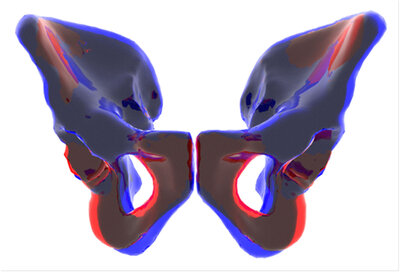
Development of mathematical and algorithmic methods for modeling, analyzing, and processing signals, images, and data, with strong biomedical expertise and a focus on clinical applications.

Research themes

  • Discrete geometry and mathematical morphology
  • Machine learning for image and signal analysis
  • Health data collection and analysis, causality, Bayesian methods
  • Biomedical image processing (transversal research theme)

Learn more     Contact

Keywords

discrete geometry, morphology, statistical learning, segmentation, medical imaging, diagnosis, Bayesian inference

DIRTS

The team designs and coordinates robotic systems and AI methods to assist surgical and medical procedures, integrate data and images, and control complex sparse systems.

Research themes

  • Medical robotics and interventional imaging
  • Machine learning, modeling, and data science
  • Complex and sparse systems

Learn more     Contact

Keywords

medical robotics, interventional imaging, machine learning, biomechanical simulation, systems control, sparsity, AI for healthcare, computer-assisted surgery

DIRTS

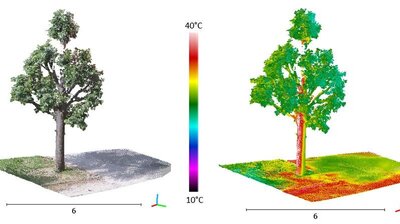
The team extracts and analyzes physical information from optical signals to produce quantitative images, model cutural heritage sites and urban environments, and support studies in climatology, health, and food security.

Research themes

  • Optical imaging
  • Earth observation and applications
  • Cultural heritage site digitization and BIM
  • Urban climatology (transversal research theme)

Learn more     Contact

Keywords

spectro-polarimetric imaging, quantitative imaging, holography, augmented reality, 3D acquisition, photogrammetry, heritage digitization, urban modeling

DIRTS

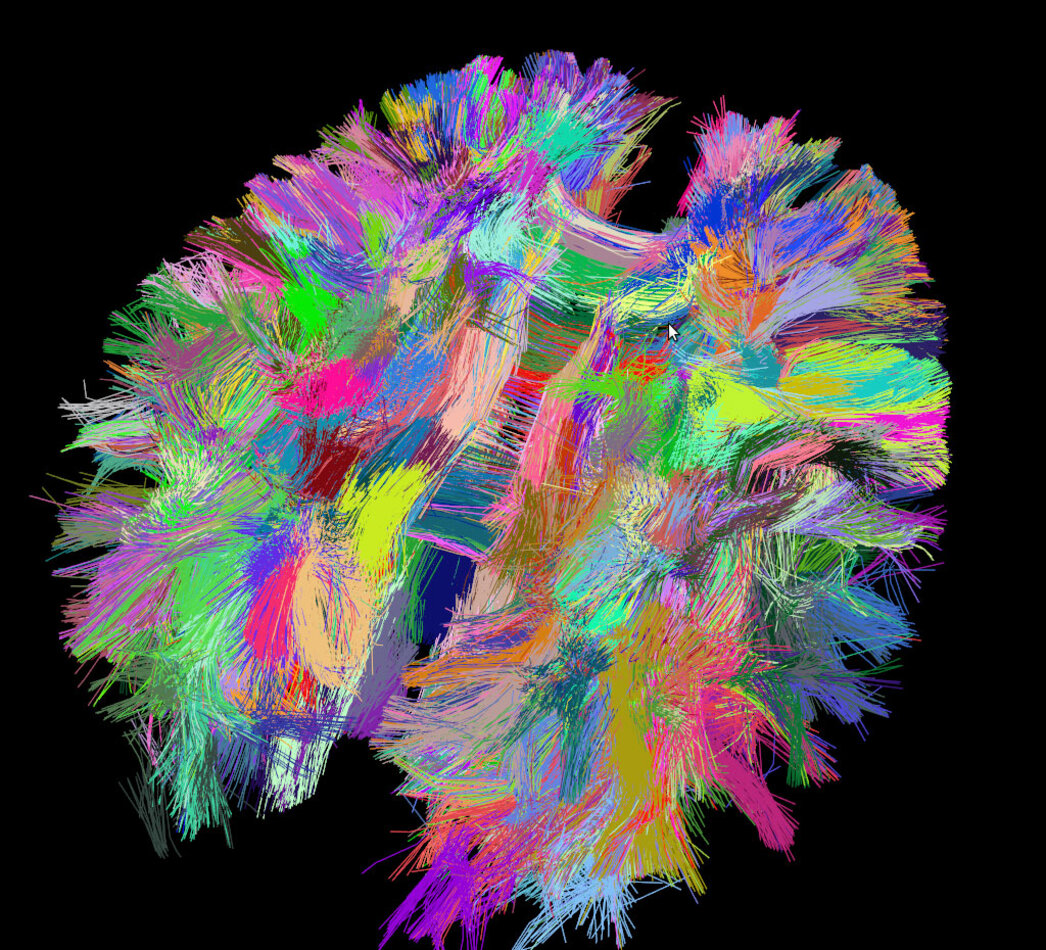
The team combines multimodal imaging and metabolomics to identify and validate biomarkers, understand pathophysiology, and guide therapies in neuroscience and oncology.

Research themes

  • Metabolomics-guided surgery
  • Brain connectivity imaging
  • Preclinical multimodal imaging
  • Neural bases, biomarkers, and therapies for neurogeriatric and psychogeriatric diseases

Learn more     Contact

Keywords

quantitative MRI, spectroscopy, metabolomics, biomarkers, brain connectivity, neurosurgery, preclinical imaging, neuroscience, Alzheimer’s disease, Lewy body disease

DESSP

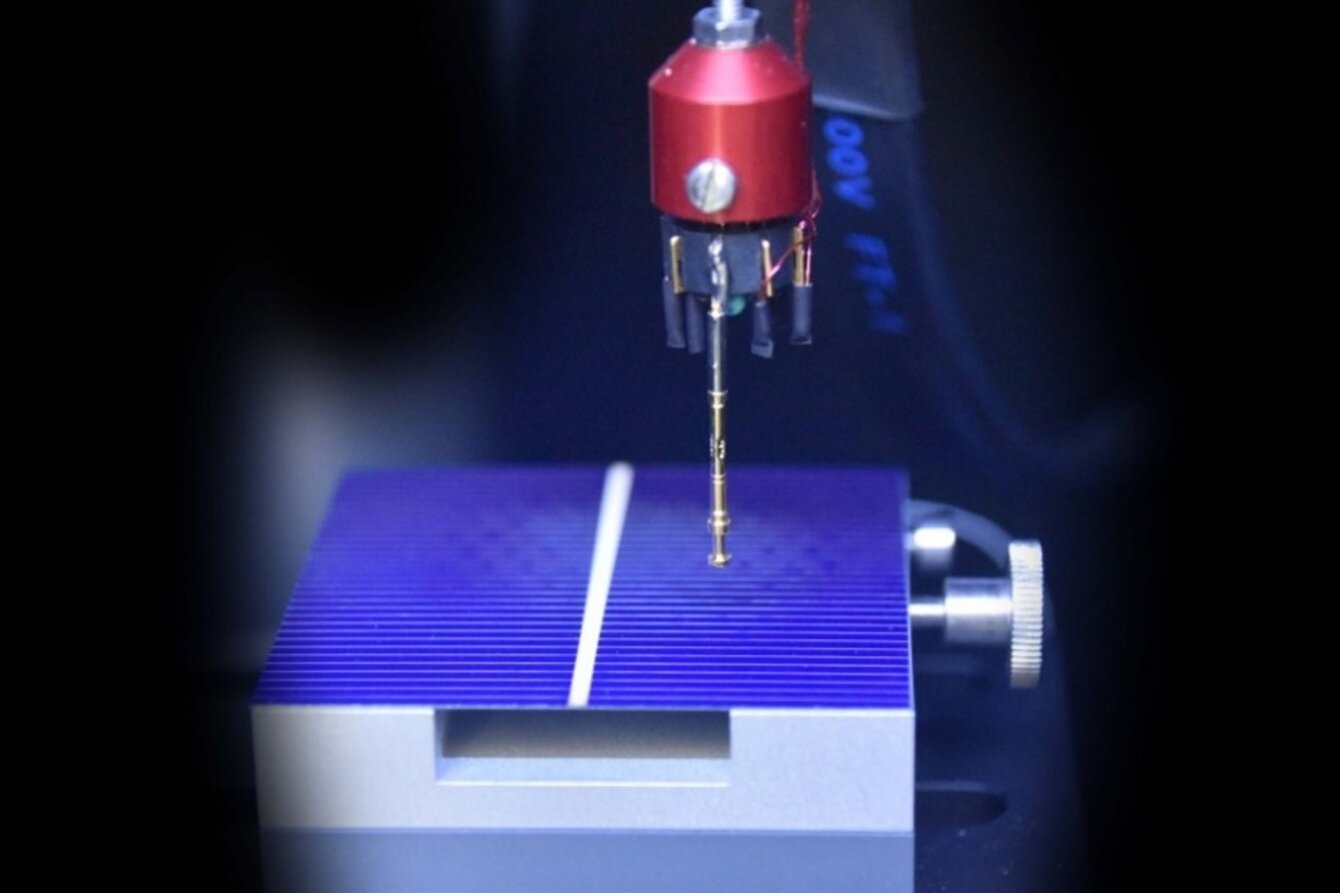
The team synthesizes materials, characterizes and models their physicochemical properties, and integrates them into devices for energy conversion, sensing, and information technologies.

Research themes

  • Nanomaterials for electronics and sensors
  • Photovoltaic materials and components
  • Atomic-scale materials modeling
  • Instrumentation, sensing, and analysis (transversal research theme)
  • Materials engineering for energy and the environment (transversal research theme)

Learn more     Contact

Keywords

nanostructured materials, thin films, organic and inorganic semiconductors, computer-aided materials modeling, photovoltaic conversion physics, thermal properties at the nanoscale, solar cells, sensors, quantum sensors

DESSP

Develops innovative electronic and multidomain systems and microsystems that address industrial challenges and emerging societal issues in healthcare, energy, and the environment.

Research themes

  • Multidomain modeling and CAD tools
  • Integrated circuits and sensors
  • System integration

Learn more     Contact

Keywords

microsystems, electronics, sensors, integrated circuits, modeling, CAD, system integration, multidomain systems, innovation, industrial applications

DESSP

The IPP team conducts research in photonic instrumentation and processes, focusing on the interaction of light with complex media such as micro- and nanostructured materials and biological tissues, with the goal of extracting information or modifying their properties.

Research themes

  • Laser processes
  • Multimodal nanoscopy
  • Biomedical optics

Learn more     Contact

Keywords

ultrashort laser processing, carbon electrodes, innovative optical components, metamaterials, microscopy, spectroscopy, OCT, optical elastography, Raman microscopy, fluorescence microscopy, hyperspectral imaging

DM

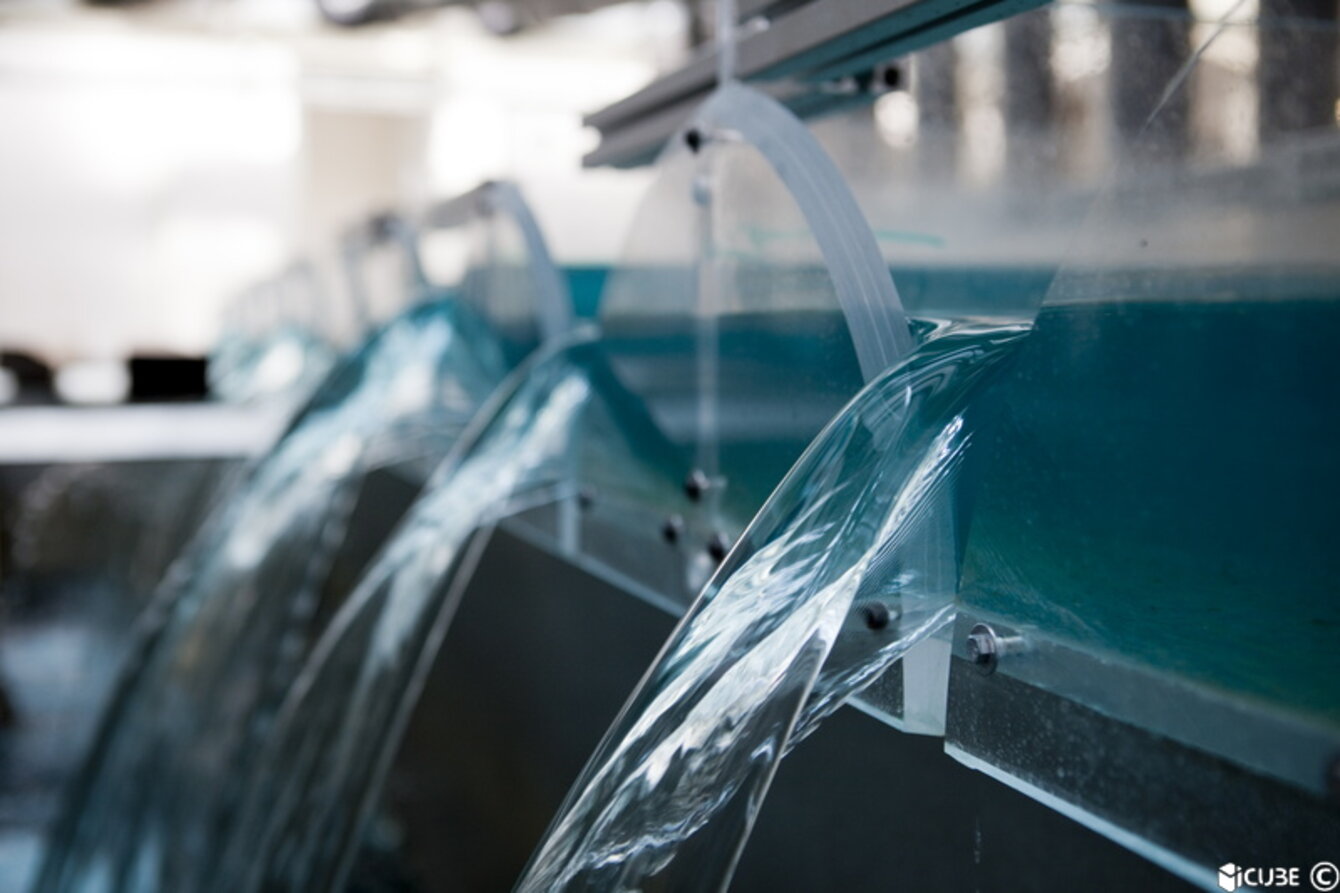
The team studies and models fluid flows and their interactions across a variety of contexts. Research includes optimizing aircraft wing morphing, the melting of a spherical ice cube in a flow, particle behavior in turbulent flows, and two-phase heat exchangers. Applications extend to water management, hydraulic energy, and environmental protection, from rivers to urban systems.

Research themes

  • Urban flow dynamics and energy recovery
  • Instabilities, turbulence, and multiphase flows
  • Reactive transfers, rheology, and environmental processes

Learn more     Contact

Keywords

urban flows, turbulence, reactive transfers, hydraulic energy, multiphase fluids, microfluidics, ecological engineering.

DM

Studies the mechanics of biological tissues and biomaterials across multiple scales, develops biofidelic models, and designs intelligent processes to better understand mechanical behavior and its biomedical and industrial applications.

Research themes

  • Impact biomechanics and material dynamics
  • Biological tissues, biomaterials, and prostheses
  • Micro–macro modeling and intelligent processes

Learn more     Contact

Keywords

biomechanics, biomaterials, biological tissues, biofidelic modeling, multiscale mechanics, intelligent processes, dynamic simulation.

DM

The GCE team conducts research on the interactions between civil structures and their environment, contributing to the development of sustainable cities through models and processes operating at multiple scales.

Research themes

  • Energy systems, geothermal engineering, and heat exchange optimization
  • Materials, environmental and health impacts
  • Structural behavior under multiphysical loading; dynamics of materials and structures; earthquake engineering

Learn more     Contact

Keywords

materials, structures, heat transfer, energy efficiency, renewable energy, sustainability, multiscale modeling, seismic engineering, environmental interactions

DM

This team focuses on formalizing and advancing methods for product and system design, as well as conducting life cycle analysis, in the context of digital transformation within socio-technical organizations and Industry 5.0.

Research themes

  • Digital-driven organizational evolution
  • Industry of the Future and Smart Manufacturing (transversal research theme)
  • Data Science and Artificial Intelligence (transversal research theme)

Learn more     Contact

Keywords

conception inventive, système d’information, systèmes sociotechniques, cycle de vie, transition numérique, analyse organisationnelle

In close collaboration with

Logo INRIA
Logo INSERM
Logo IHU
Logo Hôpitaux Universitaires de Strasbourg

With the support of our partners

Logo France 2030
Logo Investissements d'avenir
Logo ANR
Logo Union européenne
Logo Région Grand Est
Logo Institut Carnot